


Your ADHD brain feels like a racecar with broken brakes - either you're accelerating at full speed, or you've crashed into complete overwhelm. The constant ping-ponging between hyperactivity and mental exhaustion leaves you desperately searching for something that can help regulate your nervous system without the harsh side effects of prescription medications.
If you're wondering whether adaptogens for ADHD can provide the calm focus you're craving, recent clinical research offers compelling evidence that certain herbs can genuinely help.
Adaptogens for ADHD represent a promising breakthrough in natural ADHD management. Unlike stimulant medications that force your brain into overdrive, calming herbs for ADHD work with your body's natural systems to create sustainable balance. Research shows that people with ADHD often have deficient levels of key neurotransmitters like dopamine and norepinephrine, while simultaneously struggling with elevated stress hormones that worsen symptoms.
Can Adaptogens Help with ADHD Symptoms?
Adaptogens are natural substances that help your body adapt to stress and maintain homeostasis. For the ADHD brain, which often operates in extremes, adaptogens provide the regulatory support needed for sustained focus and emotional stability. Clinical studies demonstrate that herbal supplements for ADHD can provide meaningful symptom relief when used as part of a comprehensive approach.
Research consistently shows that adaptogens for ADHD work by supporting the body's natural ability to manage stress and maintain balance. A comprehensive systematic review examining herbal remedies for ADHD found that 6 out of 7 studies showed plant-based medicines significantly decreased ADHD symptoms. The meta-analysis concluded that herbal formulations could be an effective treatment for ADHD control.
ADHD stress relief herbs work differently from synthetic stimulants by addressing root causes rather than just masking symptoms. While prescription medications provide immediate but temporary effects, plant-based ADHD supplements build long-term resilience in your nervous system.
How Adaptogens Work for the ADHD Brain
The ADHD brain operates differently from neurotypical brains in several key ways. The prefrontal cortex, responsible for executive functions like attention and impulse control, often shows reduced activity in people with ADHD. Meanwhile, stress response systems tend to be overactive, leading to emotional dysregulation and anxiety that affects approximately 70% of adults with ADHD.
Natural remedies for ADHD work by addressing both neurotransmitter imbalances and chronic stress responses that exacerbate ADHD symptoms. Unlike prescription stimulants that can cause rebound effects, the best adaptogens for focus provide sustained cognitive support that builds over time.
Research published in clinical journals shows that certain ADHD anxiety herbs can improve attention span, reduce hyperactivity, and enhance cognitive performance in both children and adults with ADHD. The key difference is that these herbs don't just mask symptoms - they support the underlying biological systems that regulate attention and mood.
1. Ashwagandha: The Stress-Busting Powerhouse
Ashwagandha ADHD research has gained significant attention due to its remarkable ability to calm an overactive nervous system while simultaneously improving cognitive function. Known scientifically as Withania somnifera, ashwagandha has been used for over 2,500 years in traditional Ayurvedic medicine.
Clinical evidence strongly supports ashwagandha ADHD applications, particularly for managing the anxiety and emotional dysregulation that often accompany attention disorders. The herb's active compounds, called withanolides, help regulate the hypothalamic-pituitary-adrenal (HPA) axis - your body's primary stress response system.
Studies show that ashwagandha can significantly reduce cortisol levels while improving stress resilience. For people with ADHD, who often experience emotional dysregulation and mood swings, ashwagandha provides a stabilizing effect that makes daily challenges more manageable. Research indicates the herb exhibits anti-stress and anti-anxiety effects in humans while supporting neurotransmitter balance.
ADHD anxiety herbs like ashwagandha are particularly valuable because anxiety and ADHD frequently occur together. The herb's effectiveness for ADHD extends beyond stress management - its ability to modulate neurotransmitter levels, particularly those involved in mood regulation, makes it valuable for addressing the emotional challenges of ADHD.
2. Bacopa Monnieri: The Memory and Focus Enhancer
Bacopa monnieri for ADHD stands out as one of the most thoroughly researched calming herbs for ADHD. Also known as Brahmi, Bacopa monnieri has been used in traditional medicine for centuries to enhance memory and cognitive function.
Clinical trials examining bacopa monnieri for ADHD show impressive results. One groundbreaking study involving 31 children aged 6-12 years found that taking 225mg of bacopa monnieri extract daily for six months significantly reduced ADHD symptoms in 85% of participants. Bacopa ADHD reviews consistently report improvements in restlessness, poor self-control, inattention, and impulsivity.
Brahmi benefits for brain function extend beyond symptom management. The herb contains compounds called bacosides that enhance the transmission of nerve impulses, making it particularly valuable for the ADHD brain's communication challenges. Research shows bacopa monnieri increases signaling molecules implicated in synaptogenesis, supporting long-term brain health.
Bacopa dosage for memory enhancement typically ranges from 200-400mg daily of standardized extract containing 50% bacosides. A more recent study of 112 males aged 6-14 years with ADHD found cognitive, mood, and sleep benefits among those taking bacopa monnieri. How long does Brahmi take to work is a common question - while some calming effects may be noticed within days, full cognitive enhancement benefits typically require 6-12 weeks of consistent use.
Bacopa for ADHD child applications are particularly promising because the herb appears to be well-tolerated in pediatric populations. Bacopa monnieri dosage for ADHD kids should always be determined in consultation with healthcare providers, but research suggests lower doses may be effective. Bacopa for ADHD adults can typically handle higher therapeutic doses safely.
3. Rhodiola Rosea: The Fatigue Fighter
Rhodiola rosea emerges as one of the best adaptogens for focus due to its unique ability to combat mental fatigue while enhancing alertness. Clinical research shows that people with ADHD often have deficient levels of dopamine and norepinephrine, and rhodiola has been proven to increase levels of these crucial neurotransmitters.
ADHD stress relief herbs like rhodiola are particularly valuable because the herb elevates serotonin, norepinephrine, and dopamine levels in the brain while acting as an adaptogen that protects the brain from different stressors. Research demonstrates that rhodiola supports various aspects related to brain processing, including executive functioning, learning, attention, stress, and fatigue.
Studies indicate that rhodiola provides sustained energy support without overstimulation, making it ideal for people with ADHD who need energy support without the crashes associated with traditional stimulants. One study tested rhodiola's efficacy for depression and found significant anti-depressive effects for moderate depression when given consistently for six weeks.
Rhodiola works by supporting attention, memory, and mental fatigue - three areas where people with ADHD often struggle most. The herb's adaptogenic properties help balance stress hormones like cortisol that contribute to hyperactive behavior and emotional dysregulation.
4. Lion's Mane: The Neurogenesis Supporter
Lion's mane mushroom, known scientifically as Hericium erinaceus, stands out among plant-based ADHD supplements for its unique ability to promote the growth of new neurons. Research shows lion's mane increases nerve growth factor (NGF) production, which supports brain health and cognitive function.
For the ADHD brain, which may benefit from enhanced neural connectivity, lion's mane offers long-term neuroprotective benefits. Studies show it can improve working memory, concentration, and attention - all areas where people with ADHD typically struggle. Lion's mane works differently from other herbal supplements for ADHD by actually promoting structural changes in the brain.
Research indicates lion's mane can enhance neuroplasticity, helping the brain form new neural pathways that support better attention and executive function. The mushroom's cognitive benefits extend beyond immediate symptom relief - lion's mane appears to protect against age-related cognitive decline while supporting the brain's natural ability to repair and regenerate.
Studies demonstrate that lion's mane improves cognition and reduces anxiety, making it particularly valuable for people with ADHD who often struggle with both attention difficulties and emotional regulation. The herb provides both immediate cognitive support and future neuroprotection.
5. Ginseng: The Cognitive Stimulant
Ginseng varieties, particularly Korean red ginseng and American ginseng, have shown promise as natural remedies for ADHD. Unlike synthetic stimulants, ginseng provides cognitive enhancement without harsh side effects or dependency risks.
Research on Korean red ginseng involving 18 children with ADHD found significant improvements in ADHD scores after eight weeks of supplementation with 1,000mg daily. The study showed decreased anxiety and improved social function, making ginseng particularly valuable for addressing the social challenges that often accompany ADHD.
Ginseng works by supporting neurotransmitter balance and improving cerebral blood flow. For the ADHD brain, which may have reduced activity in certain regions, improved blood flow can enhance cognitive performance and attention span. Research shows that ginseng successfully improves feelings of calmness and aspects of working memory performance in healthy young adults.
The herb's adaptogenic properties help modulate stress response while providing gentle cognitive stimulation. Studies indicate that ginseng possesses significant anti-stress properties and can be used for the treatment of stress-induced disorders. Multiple studies have found that ginseng affects various stress response systems while supporting cognitive enhancement.
Is Ashwagandha Effective for ADHD?
Clinical evidence strongly supports ashwagandha ADHD applications, particularly for managing anxiety and emotional dysregulation. Studies show ashwagandha can significantly reduce cortisol levels while improving stress resilience, making it valuable for the emotional challenges of ADHD.
Ashwagandha's effectiveness for ADHD extends beyond stress management. The herb enhances brain function, improves comprehension and cognitive function, and is widely used to reduce tension, anxiety, forgetfulness, and sleeplessness. Research indicates ashwagandha is generally safe for both children and adults with ADHD, though individual responses may vary.
The herb's calming effects help reduce hyperactivity while its cognitive benefits support improved focus and attention. Ashwagandha works by calming the nervous system and helping reduce stress and anxiety, making it particularly valuable for people with ADHD who struggle with emotional regulation.
What Are the Benefits of Bacopa for ADHD?
Bacopa monnieri for ADHD offers multiple benefits supported by robust clinical research. The landmark study showing 85% improvement in ADHD symptoms with 225mg daily for six months demonstrates significant effectiveness for restlessness, attention span, self-control, and impulsivity.
Brahmi benefits for brain function include enhanced memory formation, improved cognitive processing speed, and better stress resilience. For people with ADHD who struggle with working memory deficits, bacopa provides targeted support for these specific challenges. Bacopa ADHD reviews from both research studies and user reports consistently highlight improvements in cognitive performance and emotional regulation.
Research shows bacopa monnieri may also enhance brain functions such as processing visual information speed, learning rate, and memory compared to placebo treatments. The herb's gentle action makes it suitable for long-term use as part of a comprehensive ADHD management strategy.
Are Herbal Remedies Safe for ADHD?
Herbal supplements for ADHD generally have better safety profiles than prescription medications, though individual responses vary. Clinical trials examining herbal therapies for ADHD point to relative safety with no severe side effects in most cases. Most natural remedies for ADHD cause fewer side effects and have lower risks of dependency or tolerance.
Research indicates that herbal treatments are considered a "safer" approach than conventional ADHD medications, though more comprehensive studies are needed. Calming herbs for ADHD are typically well-tolerated, though some people may experience mild digestive upset when first starting supplementation.
Safety considerations for plant-based ADHD supplements include quality control, proper dosing, and potential medication interactions.
Dosage Guidelines and Safety Considerations
Bacopa monnieri dosage for ADHD typically ranges from 200-400mg daily of standardized extract containing 50% bacosides. The most successful study used 225mg daily for six months, showing that bacopa dosage for memory enhancement requires consistency for optimal results.
For ashwagandha ADHD applications, doses typically range from 300-600mg daily of standardized extract containing at least 5% withanolides. The herb is generally well-tolerated, though some people may experience mild effects when first starting supplementation.
ADHD anxiety herbs are formulated in precise ratios to maximize benefits while minimizing potential side effects. Starting with recommended doses and gradually assessing response helps ensure optimal outcomes while maintaining safety.
Building Your Adaptogenic ADHD Strategy
Creating an effective approach using adaptogens for ADHD requires consistency and patience. Unlike prescription medications that work immediately, herbal supplements for ADHD build therapeutic effects over time through regular use. Research shows the most successful strategies combine multiple elements, including lifestyle modifications and targeted supplementation.
Successful integration of natural remedies for ADHD often involves combining supplementation with regular exercise, adequate sleep, stress management techniques, and proper nutrition to enhance adaptogenic herb effectiveness. For a deeper look at the research, dosage, and drug interaction considerations, see our full guide on ashwagandha for ADHD.
ADHD stress relief herbs work best when taken consistently at the same time each day. Most users find morning supplementation optimal for sustained cognitive support throughout the day without interfering with sleep patterns.
The Future of Adaptogenic ADHD Support
Adaptogens offer a gentle way to support focus and mental balance by working with the body’s natural rhythms. Herbs like ashwagandha, bacopa monnieri, rhodiola, lion’s mane, and ginseng tend to build gradually, helping the day feel a little steadier and less overwhelming.
Along with sleep, movement, and structured routines, small daily supports can become part of that flow. Graymatter Bright Mind can fit into that kind of everyday rhythm as a simple addition that supports a more balanced approach to cognitive well-being.
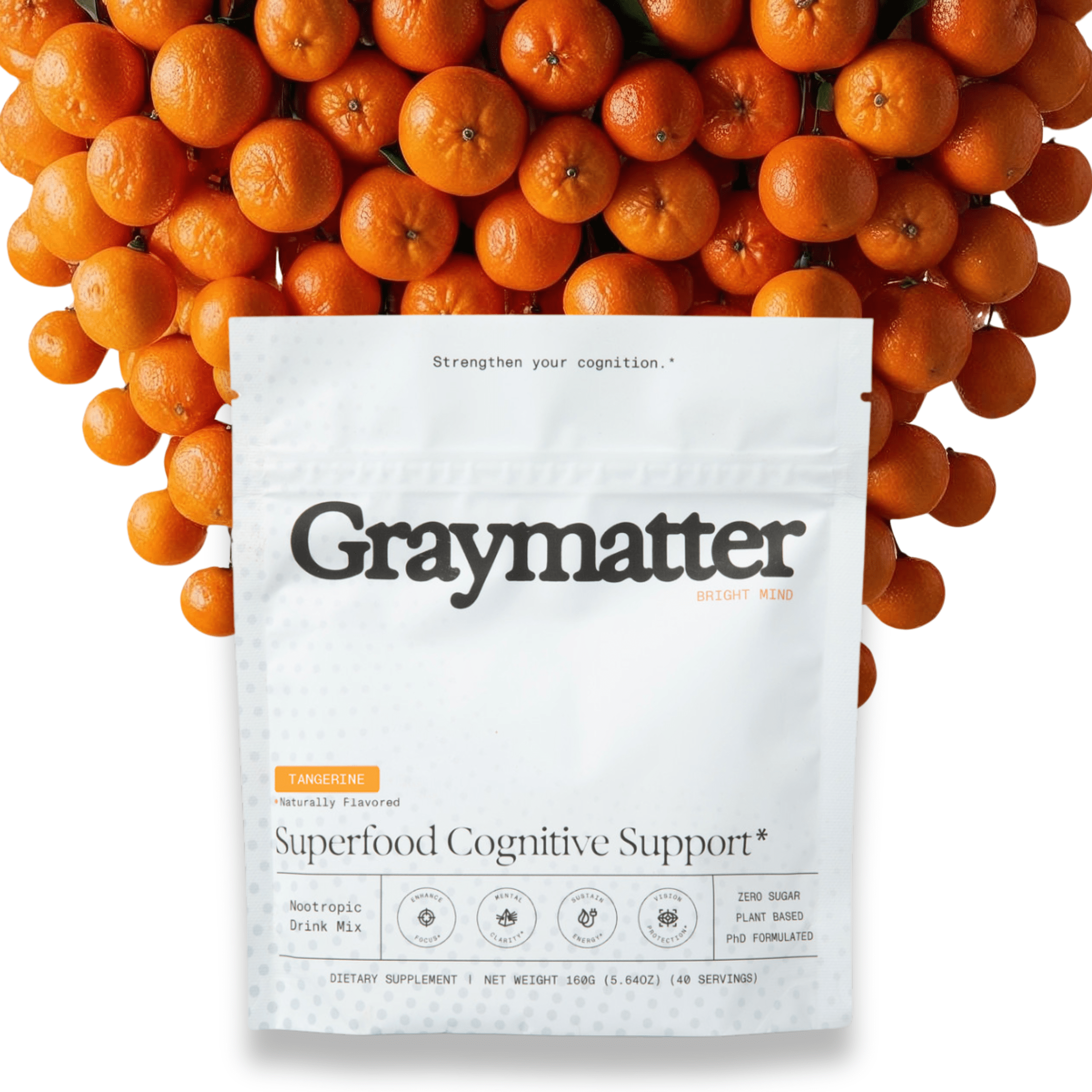
Compliance note: Graymatter Bright Mind is a dietary supplement that supports focus and cognitive function; not intended to diagnose, treat, or cure any medical condition. Please consult a healthcare provider regarding any treatment plan.
Bibliography
-
Mohammadi MR, Akhondzadeh S. Pharmacotherapy of Attention-Deficit/Hyperactivity Disorder: Non-stimulant Medication Approaches. Expert Rev Neurother. 2007;7(2):195-201. Available at: https://pubmed.ncbi.nlm.nih.gov/12352269/
-
National Collaborating Centre for Mental Health. Attention Deficit Hyperactivity Disorder: Diagnosis and Management of ADHD in Children, Young People and Adults. Leicester (UK): British Psychological Society; 2018. Available at: https://www.ncbi.nlm.nih.gov/books/NBK69423/
-
Childress AC, Cutler AJ, Marraffino A, et al. Efficacy and Safety of Amphetamine Extended-Release Oral Suspension in Children and Adolescents with ADHD. J Clin Psychiatry. 2024;85(2):23m14926. Available at: https://www.sciencedirect.com/science/article/pii/S0890856724003046
-
Cortese S, Adamo N, Del Giovane C, et al. Comparative efficacy and tolerability of medications for attention-deficit hyperactivity disorder in children, adolescents, and adults: a systematic review and network meta-analysis. Expert Rev Neurother. 2024;24(3):235-251. Available at: https://www.tandfonline.com/doi/full/10.1080/14737175.2024.2321921
-
Cortese S, Moreira-Maia CR, St Fleur D, et al. Association between ADHD and obesity: a systematic review and meta-analysis. Am J Psychiatry. 2018;175(11):1056-1067. Available at: https://www.thelancet.com/journals/lanpsy/article/PIIS2215-0366(18)30269-4/fulltext
-
Swanson JM, Wigal S, Greenhill LL, et al. Analog classroom assessment of Adderall in children with ADHD. J Am Acad Child Adolesc Psychiatry. 2002;41(10):1180-1186. Available at: https://journals.lww.com/psychopharmacology/fulltext/2002/10000/comparative_efficacy_of_adderall_and.5.aspx
Turner DC, Robbins TW, Clark L, et al. Cognitive enhancing effects of modafinil in healthy volunteers. Psychopharmacology (Berl). 2003;165(3):260-269. Available at: https://academic.oup.com/ijnp/article-pdf/5/2/121/2029657/5-2-121.pdf
Leave a comment