


TL;DR
Not every drink labeled “natural” is truly good for you. Some so-called natural energy drinks still contain high caffeine and sugar levels that can cause anxiety, energy crashes, and dehydration. The healthiest options come from ingredients that support steady, calm energy, such as matcha, green tea, guarana, and adaptogens like Ashwagandha and Rhodiola.
The “natural” energy drink trend has exploded, especially among students, athletes, and working professionals seeking focus without the jitters of synthetic caffeine. Labels promising “organic energy” and “clean fuel” sound reassuring, but not all natural drinks live up to the health halo.
Some contain as much sugar and caffeine as commercial energy drinks. The real difference comes down to how ingredients are balanced and how they interact with your body’s natural energy and stress cycles. Well-designed formulations focus on steadier release, combining plant-based caffeine with compounds that support focus and reduce overstimulation, rather than relying on intensity alone.
What Makes a Drink ‘Natural’?
Natural energy drinks use plant-based caffeine, herbal extracts, and minimal processing. Typical ingredients include green tea, yerba mate, and matcha for caffeine, plus natural sweeteners like stevia or coconut sugar instead of refined syrup. But “natural” isn’t a regulated term; some so-called natural drinks still rely on additives and hidden sugars.
Common Ingredients in Natural Energy Drinks
-
Green tea and matcha: Supply steady caffeine plus antioxidants.
-
Guarana: Extends alertness by slowing caffeine release.
-
L-Theanine: An amino acid that smooths caffeine’s stimulating edge.
-
Adaptogens like Ashwagandha and Rhodiola: Regulate cortisol and reduce fatigue
When used together, these create a cleaner, more stable form of energy.
Herbal vs Organic Energy Drinks
Herbal drinks focus on functional plants that affect mood, stamina, and focus, while organic drinks focus on how ingredients are grown. A truly healthy energy drink blends botanicals: organically grown herbs that support energy and cognition.
Are Natural Energy Drinks Actually Healthy?
The right natural energy drink can improve attention and endurance by supporting both the body and brain. Matcha, for example, provides caffeine and L-theanine, proven to boost focus while preventing jitters. Adaptogens like Ashwagandha help regulate stress hormones, while Rhodiola increases resilience during long work or study sessions.
In contrast, drinks that rely on concentrated caffeine or fruit sugars can cause dehydration and fatigue once the effect fades. The healthiest formulations include balanced caffeine, amino acids, and adaptogens that provide energy through nourishment, not overdrive.
What Are the Side Effects of Natural Energy Drinks?
Even natural ingredients can cause side effects when taken in excess. High caffeine intake, no matter the source, can lead to anxiety, restlessness, or disrupted sleep. Drinks sweetened with “natural” syrups like agave or honey may still spike blood sugar.
Pairing caffeine with L-theanine or adaptogens minimizes these problems. For example, Bright Mind uses similar amino acids and plant compounds to keep neurotransmitters balanced, reducing the overstimulation common in energy drinks.
Busted Myths About Energy Drinks
A common myth is that all energy drinks are unhealthy. While many mainstream ones are full of synthetic caffeine and sugar, natural blends that use matcha, guarana, and adaptogens can support brain performance safely.
Another misconception is that “natural caffeine” means weak caffeine. In truth, matcha and guarana can equal coffee’s potency. The benefit lies in the way these ingredients are balanced when combined with amino acids and adaptogens; the release is gradual and steady.
Pairing natural caffeine with ingredients like Alpha GPC and L-tyrosine enhances cognitive function without dependence or fatigue.
Comparing Natural and Regular Energy Drinks
Traditional energy drinks flood your system with refined sugar and synthetic caffeine for an instant jolt. Natural energy drinks, when well-formulated, rely on gradual release and nutrient synergy. Antioxidants from green tea, amino acids from matcha, and adaptogens from herbs like Rhodiola nourish cells rather than exhausting them.
This balance allows caffeine to energize the brain while L-theanine and Ashwagandha maintain calm focus. The result is consistent energy without crashes, a model far superior to synthetic formulas.
Who Should Avoid Natural Energy Drinks?
Natural energy drinks aren’t for everyone. People sensitive to caffeine or with heart conditions should limit use. Students or professionals with ADHD may find caffeine helpful short-term, but long-term overstimulation can worsen restlessness.
For steady mental performance, a nootropic approach offers a safer path. Something that combines Alpha GPC, Huperzine A, and adaptogens to support dopamine and acetylcholine balance naturally without caffeine.
How to Choose the Best Natural Energy Drink for You
The best way to pick a natural energy drink is to read ingredient labels carefully. Look for transparency in caffeine amounts and the inclusion of adaptogens or amino acids. Avoid drinks that rely solely on sugar or “proprietary blends.” Clear caffeine levels, minimal added sugars, and the presence of amino acids or adaptogens are good indicators of a more balanced approach.
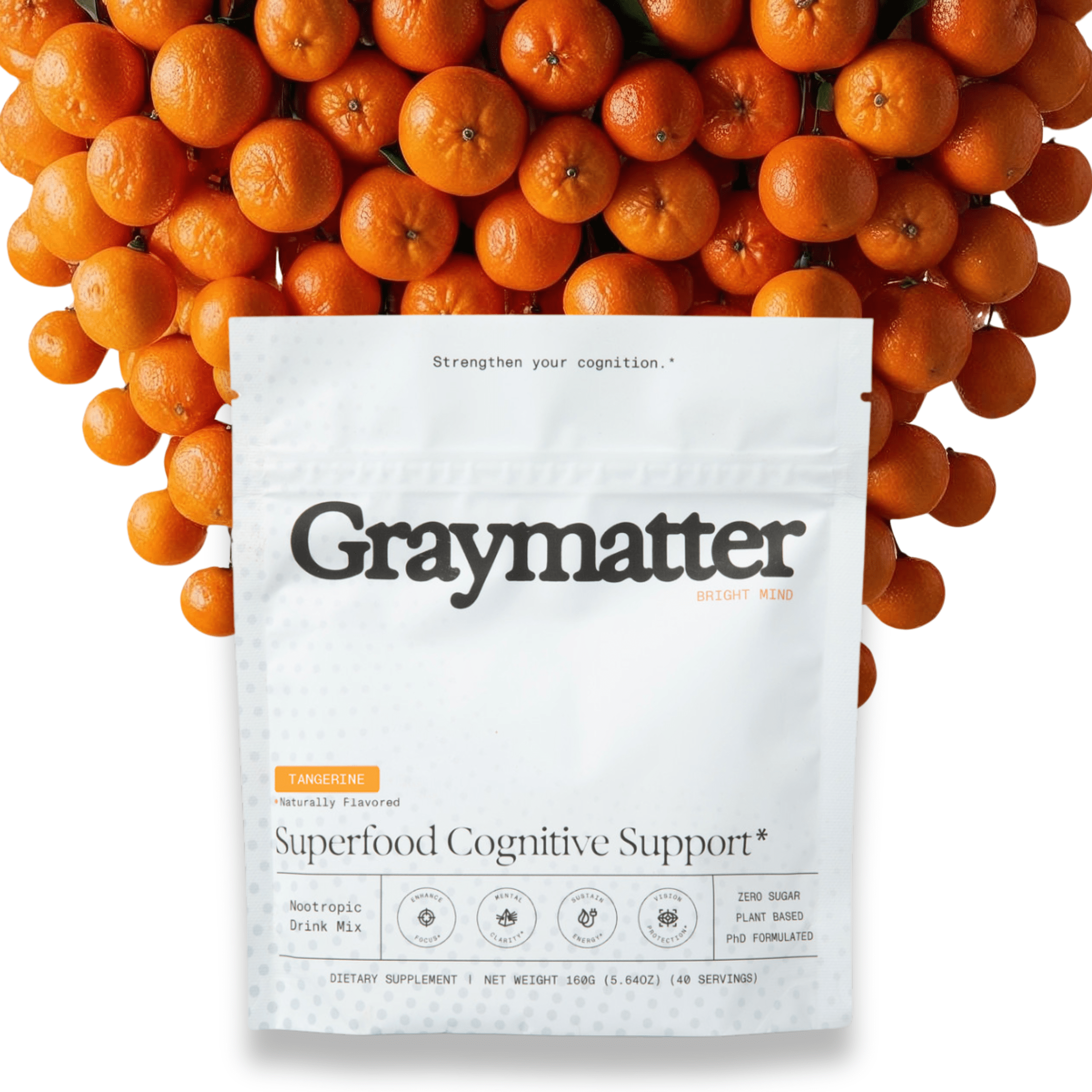
For more consistent energy, think about the overall routine rather than a single product. Pairing a balanced energy drink with broader cognitive support can make that rhythm easier to maintain. Graymatter Bright Mind can fit into that flow, supporting steady focus, clarity, and energy across the day without relying on spikes or crashes.
FAQs
Are all-natural energy drinks really healthy?
No. Many still contain excessive caffeine or sugar. Look for options with balanced caffeine, adaptogens, and amino acids for safer, sustained energy.
Which ingredients should be avoided in energy drinks?
Avoid synthetic caffeine, preservatives, and refined sugars. Even “natural” fruit concentrates can cause blood sugar spikes.
Do adaptogen drinks offer more than caffeine?
Yes. Adaptogens like Ashwagandha and Rhodiola help the body handle stress and prevent energy crashes while improving focus.
What are the benefits of natural energy boosters?
They support focus, improve endurance, and enhance mood while nourishing your body’s energy pathways.
Are homemade energy drinks safer?
Homemade drinks with matcha, coconut water, and a small amount of honey can be safe, but professionally formulated options provide clinically tested ratios for better consistency and results.
Compliance note: Graymatter Bright Mind is a dietary supplement that supports focus and cognitive function; not intended to diagnose, treat, or cure any medical condition. Please consult a healthcare provider regarding any treatment plan.
Leave a comment