


"Why can't I just remember where I put my keys?"
"How did I completely forget that important deadline?"
"I was in the middle of something important...what was it again?"
If these feel familiar, you’re not alone. Memory lapses, mental fog, and difficulty staying on track are common challenges linked to ADHD, and they can affect everything from daily tasks to long-term goals.
While these struggles can feel frustrating, what you eat plays a bigger role than most people realise. The right nutrition can support how your brain functions, helping you stay more focused, clear-headed, and consistent through the day.
Whether you're tired of relying on endless sticky notes, frustrated by that mid-afternoon mental crash, or simply want to perform at your cognitive best, this article provides actionable solutions you can start implementing today.
The Challenge: ADHD, Brain Fog, and Memory Lapses
Living with ADHD is more than just chasing tasks on a to-do list. Many individuals find themselves battling chronic distraction, moments of forgetfulness, and a pervasive sense of brain fog. It's not just about being busy, but about how your brain functions. Research shows that what you eat plays a crucial role in brain health and directly influences your mood, focus, and memory.
Here are some common challenges:
-
Difficulty Maintaining Focus: Whether you're at your desk or on the pickleball court, losing focus can derail your momentum.
-
Memory Lapses: Forgetting key details or misplacing important items can be more than just a nuisance; it can hinder productivity.
-
Overwhelm and Brain Fog: The constant feeling of mental fatigue can stop you from enjoying both work and play.
With ADHD nutrition and memory foods, you have a natural way to support your brain's performance.
Science-Backed ADHD Nutrition: Fueling Your Brain
A well-chosen diet is not just about staying fit; it's about fueling your brain to work at its best. When we talk about ADHD nutrition, we're referring to a balanced combination of vitamins, minerals, and other key nutrients that support neurotransmitter activity and overall cognitive function. In other words, the right foods can help manage attention challenges while also preserving memory and focus.
What Happens in Your Brain?
-
Neurotransmitter Production: Critical nutrients, such as the amino acid L-Tyrosine, help your brain produce dopamine, a chemical that supports mood, focus, and motivation.
-
Enhanced Blood Flow: Ingredients like Nitrosigine® improve blood flow, which means more oxygen and essential nutrients reach your brain, keeping it active and alert.
-
Anti-Inflammatory Effects: A diet rich in antioxidants (found in colorful memory foods like berries and leafy greens) helps minimize inflammation, which can otherwise impair brain function.
Integrating ADHD nutrition into your daily routine isn't complicated. It's about making simple, effective choices that add up over time. And as you begin to notice improvements like better focus at work or that extra burst of clarity on the court, you'll see how these changes make a real difference.
Foods That Boost Memory
Now, let's talk about the delicious, everyday choices you can make to support your brain. Incorporating memory foods into your diet offers a direct line to improved concentration and overall brain health. Here are some top picks to consider:
-
Fatty Fish:
Rich in omega-3 fatty acids, fish like salmon, mackerel, and sardines support brain cell membranes and enhance overall cognitive function.
-
Berries:
Blueberries, strawberries, and blackberries are packed with antioxidants that protect brain cells from oxidative stress and boost neural connectivity.
-
Leafy Greens:
Spinach, kale, and broccoli are high in vitamins (like vitamin K and folate) that are vital for proper brain function.
-
Nuts and Seeds:
Almonds, walnuts, flaxseeds, and chia seeds provide a healthy mix of fats, proteins, and fiber that stabilize blood sugar and support continuous brain energy.
-
Whole Grains:
Foods such as quinoa, oats, and whole wheat supply a slow-burning source of energy, which can keep your brain sharp throughout the day.
-
Legumes:
Beans and lentils offer a rich source of protein and fiber, along with essential nutrients that can help maintain steady blood sugar levels, reducing the risk of brain fog.
When you combine these memory foods with smart supplementation, you're giving your brain a comprehensive support system. Think of it as laying the groundwork with nutritious foods and then reinforcing that foundation with science-backed supplements designed to optimize your brain's performance.
Practical Meal Planning and Supplementation for Better Brain Health
Getting started with ADHD nutrition doesn't have to be overwhelming. With a bit of planning, you can create a nourishing routine that keeps you energized and focused throughout the day. Here are some actionable tips:
Smart Meal Planning
-
Map Out Your Week:
Draft a weekly menu that includes a variety of memory foods. Choose dishes that combine leafy greens, whole grains, lean proteins, and healthy fats. A well-planned menu helps you avoid those moments of rushed, unhealthy choices.
-
Batch Cooking:
Spend some time on the weekend to prepare ingredients or even full meals that can be easily reheated or assembled during busy weekdays. This strategy ensures you're always prepared with brain-boosting options.
-
Grocery List Mastery:
Create a smart grocery list focusing on memory foods like fatty fish, berries, nuts, and greens. Stick to your list, and you'll be less tempted to stray from your nutritional goals.
Integrating Supplements into Your Routine
While a balanced diet is key, sometimes it can be hard to get every nutrient you need from food alone. That's where a supplement steps in. Here's how to incorporate it seamlessly:
-
Morning Start: Begin your day with a nourishing breakfast to give your brain a steady supply of energy and nutrients from the start.
-
Before Focus-Heavy Tasks: Ahead of work, study sessions, or any activity that requires sustained attention, setting up a consistent pre-task routine can help you ease into a more focused state.
-
Consistency Over Time: Rather than relying on one-off efforts, small, regular habits tend to make a bigger impact. Pairing meals with supportive additions, when needed, can help maintain steady energy and concentration throughout the day.
Conclusion
Supporting memory and focus often comes down to consistent, everyday choices. A diet built around nutrient-dense foods can help create a steady foundation for better cognitive function, especially when paired with routines that prioritise sleep, movement, and balance.
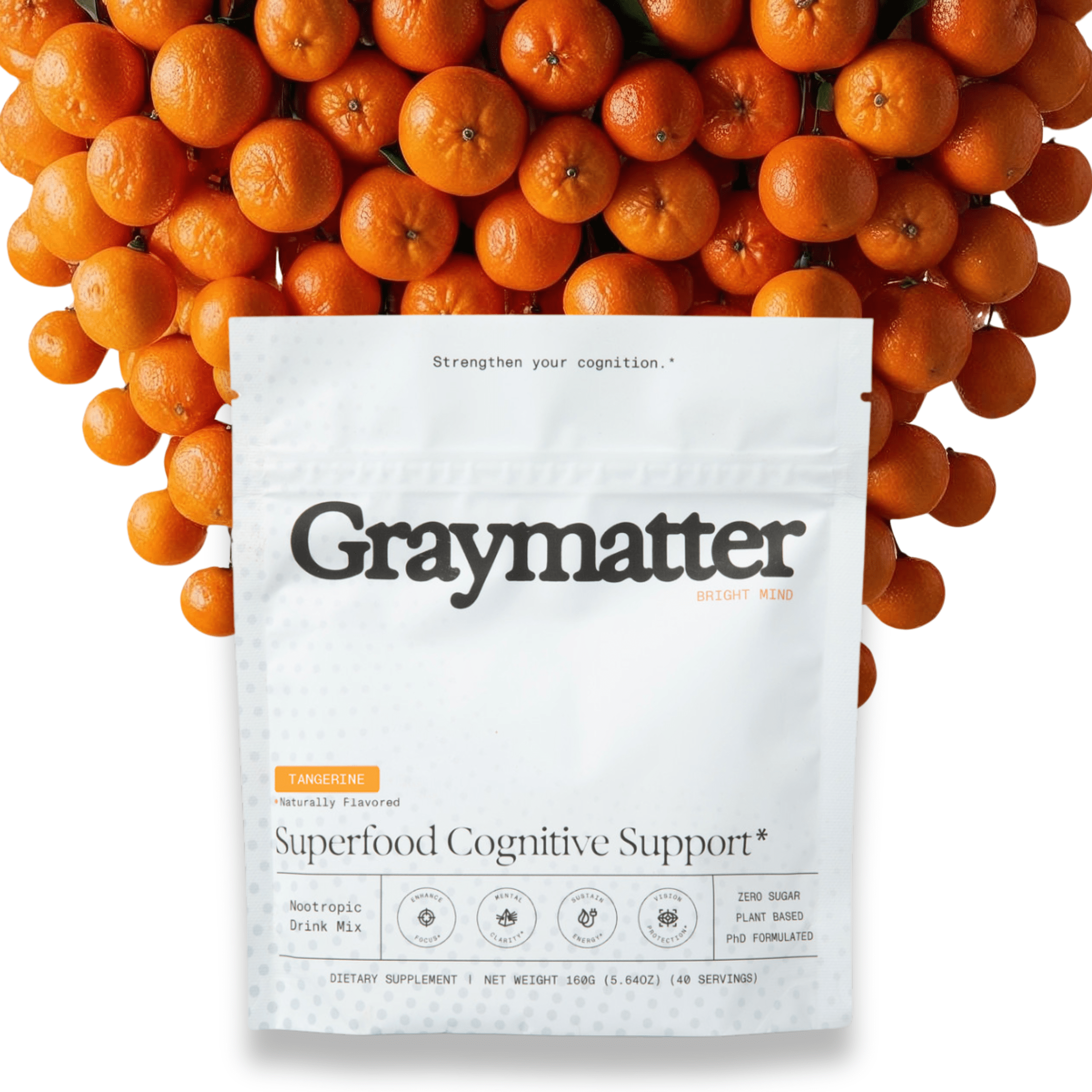
Clarity and focus often build gradually through what you do every day. When nutrition, routine, and small supportive habits come together, it becomes easier to stay consistent. Graymatter Bright Mind can also be included as part of a steady routine that supports focus and clarity, without adding complexity to your day.
-
O'Health Psychology. Nutritional Therapy for ADHD: A Natural Approach to Managing Symptoms.
-
ScienceDirect – Study on Nutritional Impact in ADHD.
-
https://www.sciencedirect.com/science/article/pii/S0924977X19317237
-
PMC Article on ADHD and Nutrition.
-
WebMD on ADHD Diets.
-
PMC Article on Dietary Strategies for ADHD.
-
ScienceDirect – Research on Cognitive Health and Diet.
-
https://www.sciencedirect.com/science/article/pii/S2772566922000210
-
Harvard Health Beat on Foods Linked to Better Brainpower.
-
https://www.health.harvard.edu/healthbeat/foods-linked-to-better-brainpower
Compliance note: Graymatter Bright Mind is a dietary supplement that supports focus and cognitive function; not intended to diagnose, treat, or cure any medical condition. Please consult a healthcare provider regarding any treatment plan.
Frequently Asked Questions (FAQs)
1. What foods improve memory for ADHD?
Incorporate memory foods such as fatty fish, berries, leafy greens, nuts, and whole grains. These foods enrich your diet with omega-3 fatty acids, antioxidants, and protein, all of which are critical for sustained cognitive performance.
2. How can diet influence memory in ADHD?
A balanced diet supports neurotransmitter production and maintains steady blood flow to the brain. This means consistent energy and fewer mood swings, directly enhancing memory and overall focus.
3. Are there specific nutrients for ADHD memory?
Definitely. Key nutrients include L-Tyrosine, omega-3 fatty acids, B vitamins, and antioxidants. These components help stabilize dopamine levels, reduce oxidative stress, and support the synthesis of essential brain chemicals.
4. How long before I see results from dietary changes?
Results may vary, but many users notice subtle improvements within a few weeks. Consistent healthy eating combined with supplementation can lead to more noticeable benefits in one to two months.
5. Can natural nootropics replace prescription ADHD medications?
While nootropics provide natural support and may enhance cognitive performance, it is not intended to replace any prescribed medications. Before making any changes, always consult with a healthcare professional.
6. Are there any dietary restrictions while taking ADHD supplements?
There are typically no strict restrictions; however, combining supplements with a balanced diet rich in memory foods is key to experiencing maximum benefits. Always pair supplementation with healthy eating habits for the best results.
Leave a comment