


Nootropics—often referred to as "smart drugs"—are currently trending. Numerous individuals are resorting to these supplements to enhance their mental clarity, seeking improved focus, memory, and general cognitive abilities. However, do nootropics really meet the expectations? In this article, we will investigate the science of nootropics, looking into their possible advantages and dangers.
What Are Nootropic Substances?
The word "nootropic" comes from the Greek terms "noos" (mind) and "tropein" (to bend or turn). Nootropics seek to improve different cognitive abilities, such as memory, creativity, focus, and motivation. There are two primary classifications:
-
Prescription Nootropics: A physician recommends these for particular ailments.
-
Dietary Nootropics: These non-prescription supplements typically include herbs, amino acids, and vitamins thought to enhance cognitive performance.
How Nootropics Function:
Nootropics engage with neurotransmitters, the chemical messengers in your brain. Certain mechanisms involve enhancing blood circulation, lowering oxidative stress, and adjusting neurotransmitter levels. Some nootropics, for instance, include L-Tyrosine, which is a precursor to dopamine, a neurotransmitter crucial for concentration and drive.
Proof Backing Nootropic Effectiveness
Studies indicate that some nootropics may enhance cognitive abilities. Lion Mane, an ancient herb, has demonstrated potential in improving memory and concentration. Other components, such as L-Theanine, present in green tea, may enhance relaxation and concentration.
Short-term vs. Long-term Effects:
We need to differentiate between acute (short-term) and chronic (long-term) effects.
-
Acute effects refer to the instant advantages, like heightened awareness.
-
Long-term effects arise gradually with regular use and may involve enhanced memory.
Who Can Gain from Nootropics?
Individuals aiming to enhance their cognitive health, such as students, professionals, and athletes, might discover that nootropics are advantageous.
Dosage and Usage:
Consistently adhere to the directions on the product label. Begin with a smaller dosage and rise slowly.
How Graymatter Offers a Natural Approach to Cognitive Support
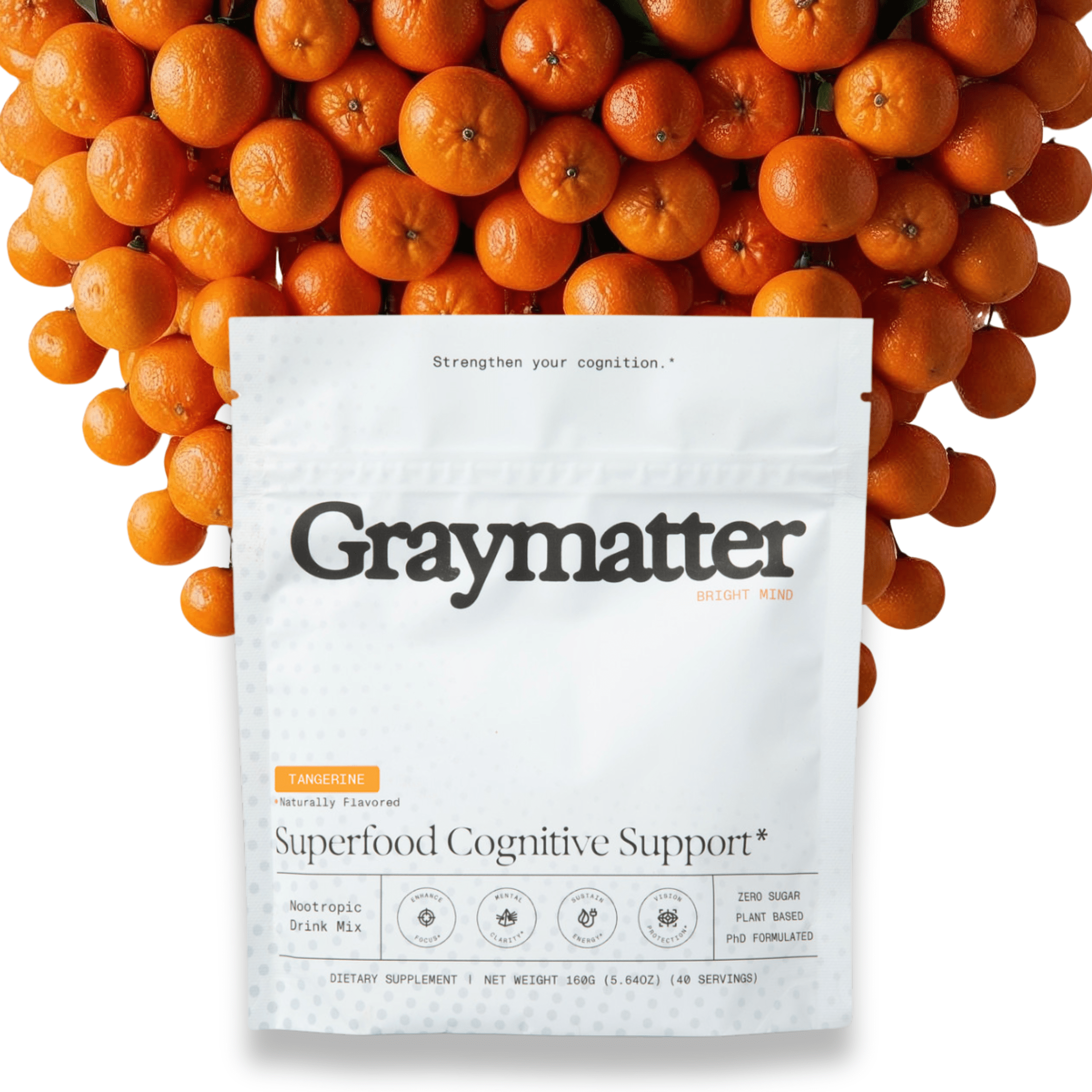
Graymatter, established by PhD molecular biologists, focuses on a science-driven methodology. Bright Mind emphasizes sustained brain wellness utilizing natural components.
Cognitive Decline:
Atrophy and structural changes in the brain are linked to age-related cognitive decline, affecting memory and executive function.
Natural, research-backed nootropics may support neural health by targeting synaptic plasticity and combating oxidative stress in aging brains. Sustained brain wellness strategies, such as integrating nootropics with lifestyle practices, can mitigate cognitive deterioration.
Nootropics and Particular Requirements
-
Gaming: Players might gain improved concentration, quicker reflexes, and better strategic planning. Nitrosigine from Bright Mind enhances circulation, while Guarana and Matcha offer natural vitality.
-
Complete Well-Being: Nootropics represent only a portion of the whole. Integrate them with beneficial practices such as adequate sleep, regular exercise, and a nutritious diet to promote lasting cognitive well-being.
Let's explore more thoroughly the science underlying several of Bright Mind's primary components:
-
L-Tyrosine: This amino acid serves as a precursor for dopamine. Dopamine is essential for motivation, concentration, and executive functioning. L-Tyrosine may enhance mental clarity and diminish brain fog by promoting dopamine synthesis.
-
Alpha GPC: This substance boosts levels of acetylcholine, a neurotransmitter crucial for learning and memory. Alpha GPC might also provide neuroprotective advantages.
-
Nitrosigine®: This exclusive compound boosts nitric oxide levels, resulting in better blood circulation to the brain. Improved blood circulation results in increased oxygen and nutrients reaching brain cells, which may enhance cognitive performance.
Addressing Common Nootropic Concerns:
Many people have questions about nootropics. Here are some common concerns:
-
Are nootropics addictive?
Most dietary nootropics are not considered addictive. However, always follow recommended dosages and consult a doctor if you have any concerns.
-
Can I take nootropics with other medications?
Always discuss potential interactions with your doctor before combining nootropics with other medications or supplements.
-
How long does it take to see results?
Individual experiences vary. Some people notice improvements within a few weeks, while others may take longer. Consistency is key.
The Importance of a Holistic Approach
Cognitive enhancement isn't a magic bullet. Consider these lifestyle factors:
-
Sleep: Aim for 7-9 hours of quality sleep per night. Sleep is crucial for memory consolidation and cognitive restoration.
-
Exercise: Regular physical activity benefits both physical and mental health. Exercise increases blood flow to the brain and promotes the release of brain-derived neurotrophic factor (BDNF), which supports the growth of new brain cells.
-
Nutrition: A balanced diet rich in fruits, vegetables, and healthy fats provides the nutrients your brain needs to function optimally.
-
Stress Management: Chronic stress can negatively impact cognitive function. Incorporate stress-reducing practices like mindfulness, meditation, or yoga into your routine.
Conclusion
Nootropics can play a supportive role in cognitive function, but their effectiveness depends on how they are used and what they are paired with. While certain ingredients show promise for improving focus and mental clarity, they work best when combined with consistent sleep, balanced nutrition, stress management, and regular mental engagement.
If you prefer a more streamlined way to approach cognitive support, Graymatter Bright Mind offers a combination of research-backed ingredients designed to complement your daily routine. Used alongside strong foundational habits, it can help maintain steadier focus and mental clarity without adding complexity to your day.
FAQs
Are nootropics worth trying?
Results vary significantly between individuals. While some report improved focus and productivity, others experience minimal or no effects.
How safe are nootropics?
Prescription nootropics carry significant risks and should only be taken under medical supervision. Even non-prescription alternatives may have side effects.
Do they actually make you smarter?
No, nootropics don't increase intelligence. They may temporarily enhance certain cognitive functions like focus or memory, but the effects are limited and temporary.
What's the best way to use nootropics?
If considering nootropics:
- Start with non-prescription options
- Begin with low doses
- Monitor effects carefully
- Maintain realistic expectations
Compliance note: Graymatter Bright Mind is a dietary supplement that supports focus and cognitive function; not intended to diagnose, treat, or cure any medical condition. Please consult a healthcare provider regarding any treatment plan.
Leave a comment