


Attention-Deficit/Hyperactivity Disorder (ADHD) is not just a matter of being unable to sit still or struggling to concentrate. It involves the interplay of various elements, including brain chemistry, lifestyle, environment, and nutrition. Research showing the connection between diet and ADHD has evolved significantly, shedding light on how vitamins and minerals can impact brain function and improve ADHD symptoms.
Medication and therapy remain key in treating ADHD, but recent studies suggest that nutritional support plays an equally important role. Deficiencies in essential nutrients can worsen ADHD symptoms, while addressing those deficiencies can lead to improved mental health and cognitive functions. Our article dives into which nutrients are most often lacking in people with ADHD and how supplements can help.
What nutritional deficiencies affect ADHD?
ADHD often coincides with specific nutritional deficiencies for adhd that affect the brain's ability to focus, manage emotions, and reduce impulsivity. Studies, including those by Papanastasiou & Drigas (2023), highlight the significant role that diet quality plays in both children and adults with ADHD. The most common deficiencies found among people with ADHD include:
-
Vitamin D
-
B Vitamins (B6, B9, B12)
Addressing these deficiencies can support overall brain function and focus in both children and adults. Alongside conventional treatments, nutrition and well-formulated blends can play a supportive role in everyday routines.
Insights On Vitamins And Plant-Based Sources
Vitamin D
Vitamin D has a significant role in mood regulation and brain function. Deficiency in Vitamin D is common in those with ADHD and may be linked to worsened symptoms, including poor focus and emotional instability. In a meta-analysis, researchers like Papanastasiou & Drigas (2023) found that individuals with ADHD often have low Vitamin D levels, which directly impacts mental health in the long term.
How to Get More Vitamin D?
-
Sun Exposure: Spending 15-20 minutes in the sun daily can boost Vitamin D levels.
-
Food Sources: Include fatty fish like salmon, egg yolks, and fortified dairy products in your diet.
-
Supplements: For those not getting enough through sun exposure and diet, Vitamin D supplements can be helpful. Always consult with a healthcare provider for proper dosage.
Vitamin C
It plays a vital role in cognitive function and overall energy metabolism. Research demonstrates its significant impact on learning and memory through multiple mechanisms. Studies in rat models show that vitamin C supplementation improves performance in various memory tests and reduces learning impairments.
The antioxidant properties of vitamin C help protect brain tissue from oxidative stress, maintaining optimal cognitive function. Beyond its well-known antioxidant properties, vitamin C's physiological role is remarkably diverse. It maintains millimolar concentrations in most cells, far exceeding its plasma levels.
The high cellular concentration suggests its crucial role in various metabolic processes. While its primary clinical indication remains the prevention and treatment of scurvy, emerging research indicates potential benefits for cognitive function, particularly during developmental stages.
B Vitamins
The B vitamin group, especially B6, B9, and B12, supports neurotransmitter function and helps the brain produce dopamine and serotonin. Neurotransmitters are crucial for attention and emotional balance, which are key challenges for people with ADHD. Research by Chang et al. (2018) indicates that deficiencies in B vitamins may exacerbate ADHD symptoms, such as impulsivity and difficulty in maintaining focus.
Ways to Increase B Vitamins
-
Dietary Sources: Foods like poultry, eggs, leafy greens, and legumes are excellent sources of B vitamins.
-
Supplements: A B-complex supplement can help cover a range of B vitamins. Interestingly, it is particularly useful for individuals who may not get all their needs met through food alone.
Plant-Based Energy Sources
For those seeking a boost of energy without the crash or negative side effects associated with synthetic stimulants, plant-based energy sources offer a viable alternative. Ingredients such as maca, guarana, matcha, and green tea deliver a natural pick-me-up while also providing important nutrients beneficial to the body. All the plants offer sustained, smooth energy without the jitters or crashes commonly linked to caffeine.
Nootropics And Adaptogens For ADHD
Nootropics
Nootropics, often referred to as "smart drugs," are natural compounds that boost cognition by increasing levels of neurotransmitters like acetylcholine. Nootropic substances can enhance mood, motivation, clear brain fog, increase focus, and improve reaction time. Long-term supplementation with nootropics may improve brain health by providing the building blocks needed for increased synaptic connections.
Adaptogens
Adaptogens are herbs, mushrooms, and roots that help the body adapt to stress and improve overall physical and mental performance. They work by regulating hormones like cortisol, thereby reducing stress, improving attention, increasing endurance, and combating fatigue to help achieve a state of flow.
Dietary Sources vs. Supplements: Which Is Better?
Whole foods first approach
Nutrient-dense foods provide a range of vitamins and minerals that the body can easily use. For those with ADHD, focusing on whole foods such as leafy greens, fish, nuts, and seeds can be very beneficial. The foods we are talking about help build a foundation for better brain health.
When are supplements needed?
Supplements are a helpful addition when meeting nutrient needs, though diet alone is difficult. Supplements should be used to fill in nutritional gaps and support optimal health. A healthcare provider can help you determine which supplements are right for you, based on your individual deficiencies.
What Steps Can You Take to Support ADHD with Nutrition?
-
Opting for a Balanced Diet. Make sure to include a variety of foods rich in vitamins, minerals, and healthy fats. Having it includes plenty of vegetables, whole grains, and protein sources.
-
Regular Omega-3 Intake. Include fatty fish in your meals or consider omega-3 supplementation.
-
Consult with a Healthcare Provider. Get your blood levels checked for deficiencies like Vitamin D, B vitamins, magnesium, or zinc.
-
Look for natural supplements. Natural supplements can improve cognitive functioning in a much better way.
-
Add Supplements as Needed. Fill in the gaps if your diet does not meet your nutritional needs.
-
Stay Consistent. Make small dietary changes consistently to see gradual improvements in ADHD symptoms.
Conclusion
Nutrition plays a foundational role in how the brain functions day to day. Paying attention to key vitamins and minerals can support focus, energy, and overall cognitive balance, especially when paired with consistent routines, good sleep, and stress management.
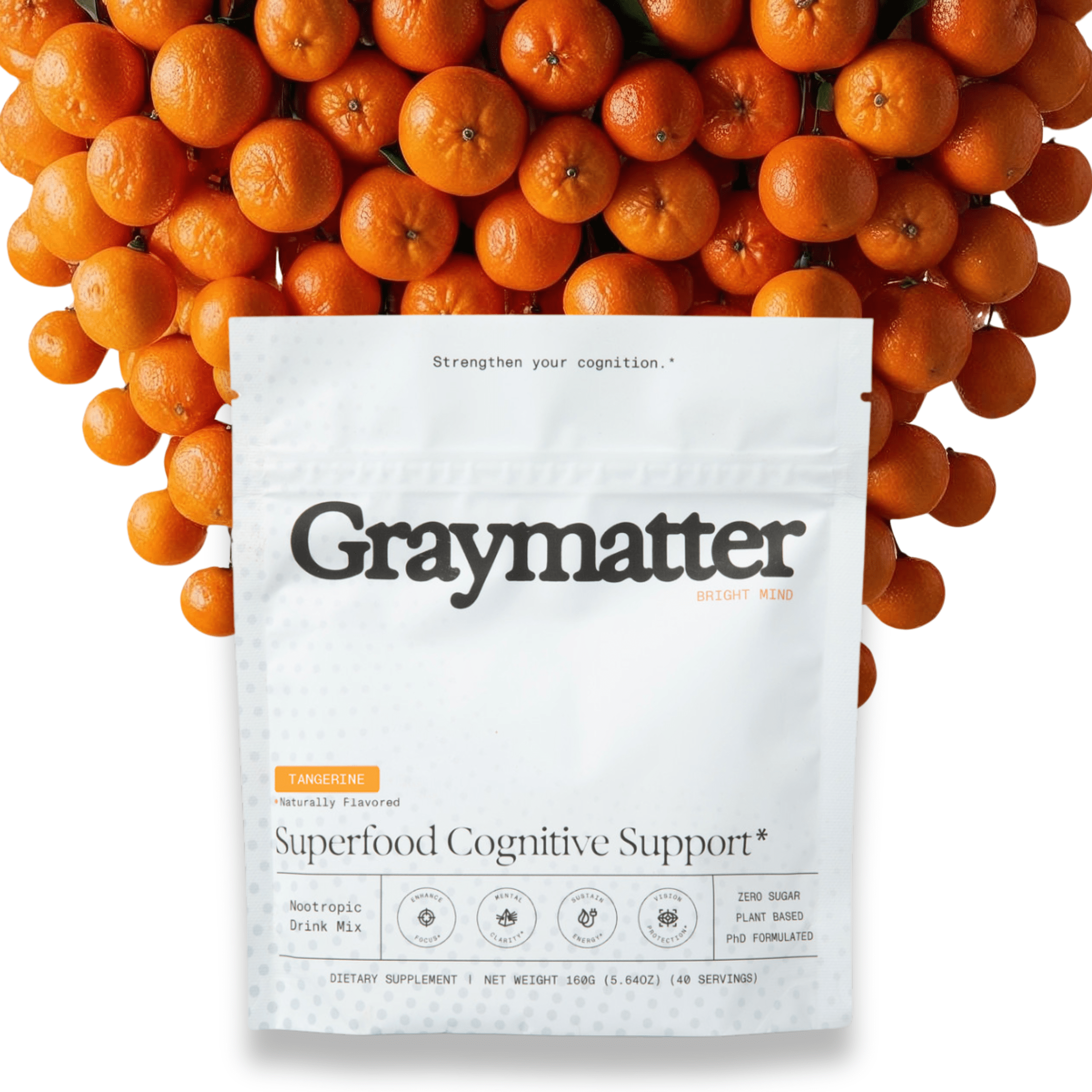
When paired with balanced nutrition and steady routines, even small additions to your day can support how you think and feel. Graymatter Bright Mind can quietly complement your daily routine, supporting focus and clarity in a way that feels easy to maintain.
-
How can nutrition improve ADHD symptoms?
-
Is it better to use supplements or rely on diet?
-
What vitamins and minerals help manage ADHD symptoms?
-
Huperzine A: Increases acetylcholine levels in the brain.
-
L-Tyrosine: Known for increasing endurance and uplifting mood.
-
Red Panax Ginseng: Improves brain function, memory, mood, and reduces mental fatigue.
-
Cordyceps: Enhances cognitive performance, learning, and memory.
-
Lion's Mane: Improves cognition and reduces anxiety.
-
Ashwagandha: Reduces stress and improves executive function, reaction time, attention, and memory.
-
Rhodiola: Stimulates the nervous system, reduces anxiety, and enhances learning and memory
-
What are the first steps for addressing ADHD through nutrition?
Compliance note: Graymatter Bright Mind is a dietary supplement that supports focus and cognitive function; not intended to diagnose, treat, or cure any medical condition. Please consult a healthcare provider regarding any treatment plan.
FAQs
A balanced diet and proper supplementation can help manage neurotransmitter levels, reduce hyperactivity, and improve attention.
Whole foods are ideal, but supplements are useful to fill nutritional gaps, especially for those with ADHD who have specific deficiencies.
Key nutrients include Vitamin D, B vitamins, magnesium, zinc, and omega-3 fatty acids. Moving beyond the traditional supplements:
Start with a balanced diet, consider natural supplements and foods. Consult a healthcare provider for testing, and supplement where needed if there are side effects.
Leave a comment