


Understanding how long nootropic effects last helps you optimize timing for peak performance. Duration depends on specific ingredients, metabolism, and when you take them. Some compounds work for a few hours while others provide support throughout your entire workday.
How Long Nootropic Ingredients Typically Last
Nootropic supplements work on a half-life system. Half-life represents the time required for half the ingredient to leave your body. An ingredient with a shorter half-life reaches peak strength quickly, then gradually diminishes.
Shorter-Duration Compounds:
-
Caffeine: Several hours
-
L-Tyrosine: 3-4 hours
-
Alpha GPC (alpha-glycerophosphocholine): 4-6 hours
Longer-Duration Compounds:
-
Huperzine A: 6-8 hours
-
Nitrosigine: Several hours
-
Adaptogens (Ashwagandha, Rhodiola): Extended periods
Individual metabolism varies significantly. What lasts 6 hours for one person might only last 4 for another based on body chemistry, age, and overall health status.
Factors That Influence Nootropic Duration
Several variables determine how long nootropic effects last in your system. Understanding these factors helps you predict and optimize your personal response to different compounds.
Metabolic Rate
Fast metabolism processes supplements quickly, producing a faster onset but shorter duration. Slow metabolism creates the opposite effect with a delayed onset and extended duration.
Dosage Amount
Higher doses don't automatically extend duration. Most nootropic ingredients reach a ceiling where additional amounts don't prolong effects. Optimal dosing windows maximize benefits without waste.
Food Intake
Food slows absorption rates. Alpha GPC works better with meals containing healthy fats. Other compounds absorb faster on an empty stomach.
Usage Frequency
Daily stimulant use can reduce effectiveness over time. Natural, non-stimulant ingredients typically build less tolerance. Strategic breaks help maintain sensitivity.
Optimal Timing Windows for Nootropics
Timing significantly impacts effectiveness. Consider your schedule and peak performance needs when planning doses.
Early Morning (7:00-9:00 AM)
Most users take nootropics within the first hour of waking. Ingredients peak during morning work hours when focus demands are highest.
Mid-Morning (10:00-11:00 AM)
Works well for later schedules. Covers afternoon productivity when energy naturally dips around 2-3 PM.
Lunch Window (12:00-1:00 PM)
Final reasonable timing for stimulating compounds. Supports afternoon focus without disrupting sleep. Avoid stimulating nootropics after 2 PM to protect sleep quality.
Late Afternoon
Never do it late in the day. Poor sleep destroys next-day cognitive function, negating any temporary benefits.
Maximizing Nootropic Effectiveness
Optimizing nootropic benefits goes beyond just taking them at the right time. Strategic planning and foundational health habits significantly amplify cognitive support.
Align With Work Demands
Schedule cognitively demanding tasks when ingredients peak, typically 2-6 hours after consumption. Save routine tasks for before or after peak windows.
Support Basic Health Foundations
Nootropics work optimally when you maintain:
-
Consistent 7-9 hours of sleep
-
Adequate daily hydration
-
Regular protein intake with meals
-
Daily physical movement
Develop Your Personal Pattern
Some people take full doses in the morning. Others split doses between morning and lunch. Stacking with vitamins and minerals may enhance results. Always follow label recommendations first.
Individual Response Variations
Results depend on multiple personal factors, including natural brain chemistry, sleep quality, nutritional status, stress levels, overall health conditions, and other medications or supplements. Your unique physiology means your experience with nootropics will differ from others, even when taking identical formulations at the same time.
Nootropics complement healthy lifestyle habits rather than replacing them. Supplements don't substitute for medical care. Consult your doctor if you have health conditions or take medications.
Plant-Based vs. Prescription Cognitive Enhancers
Prescription medications can last longer but often carry significant side effects. Some users experience difficult withdrawal periods when stopping or missing doses.
Plant-based nootropic ingredients work with natural brain chemistry rather than forcing changes. Effects feel gentler and more sustainable. Key differences include:
-
Mechanism: Natural compounds support your brain's existing processes instead of overriding them
-
Side Effects: Plant-based options typically produce fewer adverse reactions
-
Sustainability: Natural nootropics offer advantages over synthetic alternatives for many users seeking long-term cognitive support
Understanding Multi-Ingredient Formulations
Quality formulas combine ingredients that peak at different times for sustained support. These may include:
-
L-Tyrosine: Supports dopamine production for motivation and focus
-
Alpha GPC: Enhances acetylcholine for attention and memory
-
Huperzine A: Maintains acetylcholine levels longer
-
Nitrosigine: Improves cerebral blood flow for mental clarity
Individual metabolism, diet quality, and sleep patterns affect how you respond. Natural options work differently from synthetic stimulants, potentially supporting stress regulation alongside cognitive function.
Recognizing When Effects Diminish
Watch for signs that nootropic effects are wearing off:
-
Increased difficulty focusing on complex work
-
Rising distractibility
-
Returning mental fatigue
-
Declining motivation
-
Slower thinking speed
Consistent timing of these signs after dosing reveals your personal duration window.
Practical Application Guidelines
Nootropics may support cognitive function when used strategically. Duration depends on ingredient selection, metabolism, food timing, and tolerance development. The key is finding what works for your specific needs and schedule.
Action Steps for Optimal Results:
-
Take your dose during your morning routine
-
Schedule important work for peak hours, typically 2-6 hours after consumption
-
Monitor how long the effects last for you specifically
-
Combine smart timing with consistent sleep and nutrition rather than relying on supplements alone
Most people achieve better results when they treat nootropics as part of a comprehensive approach to cognitive performance. Top nootropic formulations combine research-backed ingredients designed to work throughout a workday without the crashes associated with traditional energy drinks.
Making Duration Work for Your Schedule
Nootropic timing is less about chasing a fixed number of hours and more about understanding your own patterns. When you align ingredient timing with your natural energy cycles, even subtle cognitive support can feel more consistent and reliable throughout the day.
Small adjustments, like when you take your dose, how you structure your work blocks, and how well you sleep, often make a bigger difference than the formula alone.
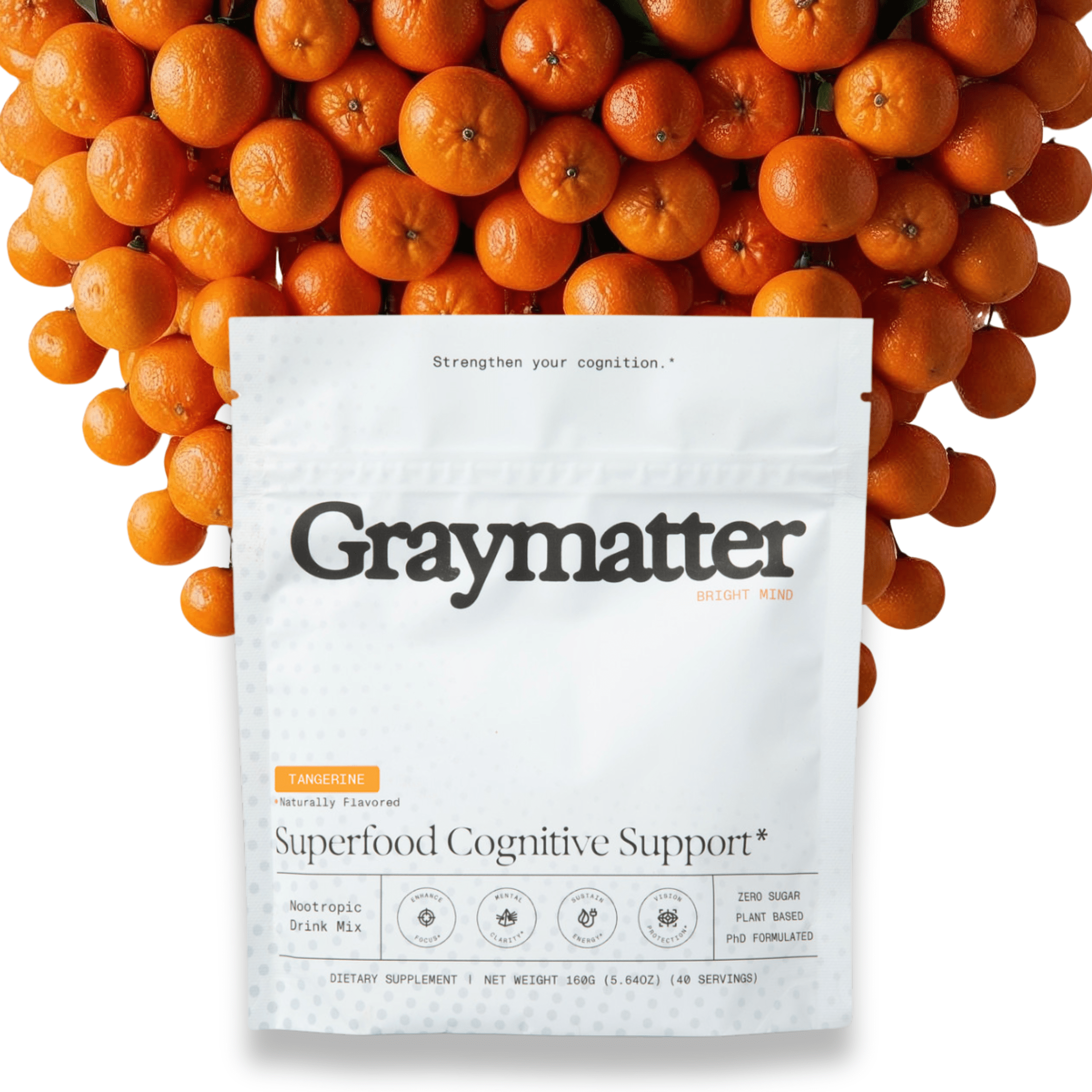
A well-rounded approach combines smart timing, steady routines, and supportive nutrition. Multi-ingredient formulas can make this easier by covering different pathways at once, especially when used consistently alongside good sleep and daily structure. Graymatter Bright Mind brings these elements together in a single daily format, making it easier to maintain consistent focus without overcomplicating your routine.
FAQs
How does Bright Mind work to support focus and cognitive function?
Bright Mind supports focus through L-Tyrosine and Alpha GPC for neurotransmitter production, Nitrosigine for improved brain blood flow, and adaptogens for stress regulation. Multi-pathway support addresses focus, memory, and cognitive resilience simultaneously.
When is the best time to take Bright Mind for optimal results?
Take Bright Mind in the morning or early afternoon for 4-8 hours of sustained focus during peak productivity. Avoid taking it within 6 hours of bedtime to maintain healthy sleep patterns.
Do nootropic ingredients work immediately or build over time?
Some ingredients, like caffeine and L-Tyrosine, work within 30-60 minutes. Adaptogens build effects over weeks of consistent use. Quality formulas combine both immediate and cumulative ingredients.
Why don't nootropics last as long as expected?
Metabolism speed, hydration status, diet quality, sleep consistency, and tolerance development all affect duration. Verify optimal conditions if duration seems shorter than anticipated.
How long do Bright Mind's effects last?
Bright Mind provides sustained cognitive support with initial mental clarity beginning within 15 minutes and sustained focus lasting throughout a typical workday. Natural formulation avoids crashes associated with high-caffeine energy drinks.
Compliance note: Graymatter Bright Mind is a dietary supplement that supports focus and cognitive function; not intended to diagnose, treat, or cure any medical condition. Please consult a healthcare provider regarding any treatment plan.
How long does it take for nootropics to work?
Fast acting ingredients like caffeine and L-Tyrosine kick in within 30–60 minutes. Adaptogens like Ashwagandha and Rhodiola build their effect over weeks of consistent daily use, not a single dose.
Leave a comment