


You sit down at your desk, open your laptop, and stare at the blank document. You know exactly what needs to be done, but somehow, you just can't start. Minutes turn into hours as you scroll through social media, reorganize your workspace, or make yet another cup of coffee.
What you're experiencing isn't laziness. It's a battle between two distinct neurological processes: task initiation and procrastination. Understanding the difference could transform how you approach work, productivity, and mental performance.
The Real Reason Why You Can't Get Started
Task initiation is your brain's ability to start tasks without hesitation. Procrastination is actively avoiding a task, usually because you're afraid of failing, want it to be perfect, or just prefer doing something more enjoyable right now.
Here's what most people don't understand: procrastination is a choice. Task initiation difficulty is not. Many people who struggle with task initiation desperately want to start. You're not avoiding the work. Your brain is literally frozen, especially when the task feels big, unclear, or emotionally loaded.
What's actually happening in your head:
-
Your limbic system (emotional brain) sees the task as a threat
-
Your prefrontal cortex (planning brain) tries to override that response
-
The two systems battle it out
-
Your amygdala treats unclear or difficult tasks like danger to your energy reserves.
-
Result: you sit there, wanting to start, unable to move forward
When you face a difficult or unclear task, your amygdala lights up. Your brain isn't being lazy. It's treating the unknown activity as a potential threat to your energy resources, the same way it would respond to actual danger.
Why You Can't Start (Even When You Want To)
Your brain has evolved to conserve energy and avoid potential threats. When faced with a new task, several brain regions spring into action:
-
The Anterior Cingulate Cortex decides to procrastinate or proceed. According to research, the dorsomedial prefrontal cortex signals expected effort cost, which becomes attenuated when you delay task completion.
-
The Prefrontal Cortex handles executive functions like planning, decision-making, and impulse control. When stressed or fatigued, its bandwidth reduces, allowing your emotional brain to take over.
-
The Putamen plays a crucial role in reward processing and habit formation. Both mechanisms facilitate task initiation, leading to less procrastination.
Chronic procrastination can alter your brain's structure and function over time, strengthening neural pathways associated with avoidance and potentially reducing gray matter in the prefrontal cortex.
You're Not Alone in This Struggle
If you struggle with task initiation, you're far from alone. According to an article published in science direct- 20% of the adult population self-identify as chronic procrastinators. The rate is a staggering 50% for university students across many countries and continues to increase.
The difference matters because chronic procrastinators don't just delay tasks occasionally. Research shows they experience persistent difficulty with task initiation across multiple life domains, suggesting an underlying neurological pattern rather than simple time management issues.
What's Really Happening in Your Brain
Dopamine isn't just a "feel-good" chemical. It's fundamentally involved in motivational control, helping you identify what activities are worth pursuing and choosing actions to achieve them.
Contrary to popular belief, dopamine performs its tasks before you obtain rewards. Its real job is encouraging you to act, making goals become "wanted" in the sense of motivating actions to achieve them. Research in Neuron demonstrates that people willing to work hard have higher dopamine levels in the striatum and prefrontal cortex, two areas known to impact motivation and reward.
When dopamine transmission is disrupted, task initiation suffers:
-
Low dopamine levels make it harder to anticipate rewards
-
Reduced motivation to maintain goal-directed behavior
-
Difficulty initiating new tasks or projects
-
Mental fatigue and decision paralysis
Supporting healthy dopamine production naturally becomes crucial for anyone struggling with getting started.
Why Starting Feels Impossible
Several neurological factors create resistance to task initiation:
-
Cognitive bias about future effort: Your brain makes doing a task later appear much less effortful but not much less rewarding.
-
Immediate dopamine reward: Procrastination initially feels good because it activates your brain's reward system, providing instant gratification.
-
Executive function limitations: The prefrontal cortex can become less active in individuals who struggle with executive function, making task initiation more challenging.
-
Energy conservation mode: Your brain treats new tasks as potential risks to your energy resources.
Research on acetylcholine shows that the neurotransmitter plays a vital role in attention, learning, and memory formation. Supporting acetylcholine production helps your brain process task requirements more efficiently.
How to Actually Get Started
Break Tasks Into Micro-Steps
When you divide a large task into smaller portions, you reduce the cognitive load on your prefrontal cortex, making it easier for your brain to say "yes" to getting started. Instead of "write a report," try "open document and type title."
Use the Two-Minute Rule
Starting with a two-minute version of your task activates your brain's reward pathways immediately, releasing dopamine and creating positive momentum. Science shows that once you're in motion, you're likely to continue naturally.
Create Environmental Triggers
Reduce decision fatigue by creating consistent starting rituals. Your brain learns to associate specific cues with task initiation, making the mental shift easier over time. Begin with simpler tasks you can complete quickly to build momentum and trigger natural dopamine release.
Support Your Brain Chemistry
Your brain needs specific nutrients to produce the neurotransmitters responsible for motivation and focus. L-Tyrosine serves as a direct precursor to dopamine, supporting the brain's motivation and reward systems. Alpha GPC (alpha-glycerophosphocholine) supports acetylcholine production, which plays a role in attention and learning. Huperzine A supports acetylcholine availability in the brain, while Nitrosigine supports blood flow for nutrient delivery.
Why Results Vary (And What That Means for You)
Response to behavioral strategies and nutritional support varies among individuals. Factors that influence results include:
-
Baseline neurotransmitter levels and brain chemistry
-
Severity of executive function challenges
-
Consistency of implementation
-
Overall lifestyle factors, including sleep, stress, and nutrition
Nutritional support and behavioral techniques are not substitutes for medical treatment. Individuals with diagnosed conditions affecting executive function should consult healthcare providers for comprehensive treatment approaches.
You're Not Broken, Your Brain Just Needs Support
Task initiation struggles aren't about willpower or character. Your brain is doing exactly what it's designed to do: conserving energy and avoiding perceived threats. The science shows you're not broken, you're just working against your neurology instead of with it.
Start small tomorrow: pick one task, break it into three micro-steps, and commit to just two minutes on the first step. When you combine behavioral strategies with targeted nutrition for cognitive function, you're creating the conditions where starting becomes easier.
Give Your Brain What It Needs
Getting started is less about forcing yourself into action and more about understanding how your brain responds to effort, uncertainty, and reward. When you reduce friction through small, manageable steps and consistent routines, task initiation becomes less overwhelming and more automatic over time.
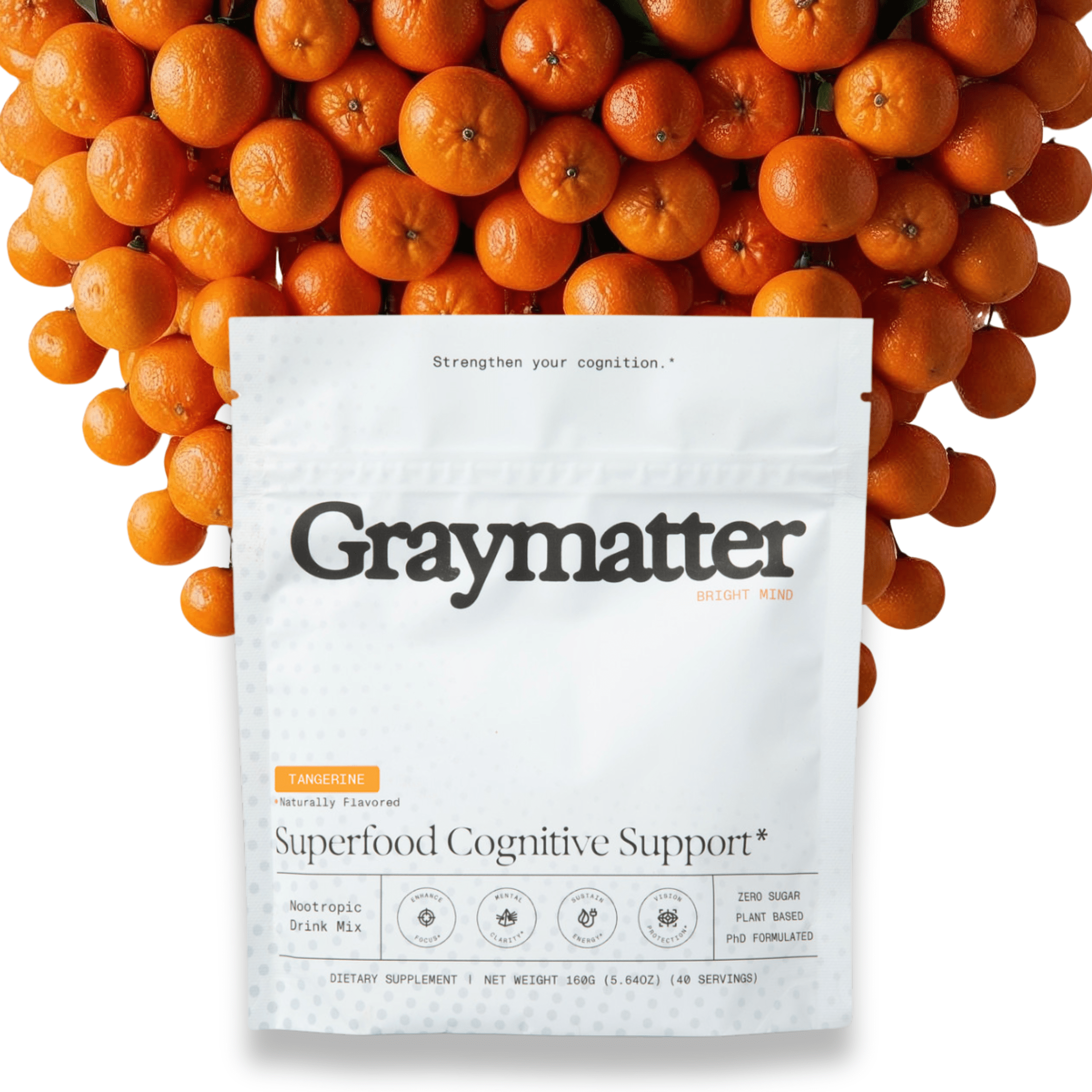
Building that momentum consistently is what makes the difference. Alongside practical strategies, supporting your day with stable energy, good sleep, and focused work habits creates the right conditions for follow-through. Graymatter Bright Mind can fit into that daily rhythm, bringing together compounds often associated with clarity and steady focus as you work toward more consistent starts.
FAQ
How long does it take to improve task initiation?
Most people notice improvements within two to four weeks of implementing consistent strategies and nutritional support.
Can supplements help with procrastination?
Supplements alone won't solve procrastination driven by fear or perfectionism, but they can support the neurological foundation for better task initiation.
What if I have ADHD or executive function challenges?
Task initiation difficulties are common with ADHD and executive dysfunction. Breaking tasks into micro-steps and supporting brain chemistry can be helpful.
How does task initiation differ from motivation?
Motivation is the desire to achieve a goal, while task initiation is the neurological capacity to begin working toward it.
Are there quick solutions for task paralysis?
The two-minute rule offers an effective approach. Committing to just two minutes removes the psychological weight while activating your brain's action pathways.
Compliance note: Graymatter Bright Mind is a dietary supplement that supports focus and cognitive function; not intended to diagnose, treat, or cure any medical condition. Please consult a healthcare provider regarding any treatment plan.
Leave a comment